How to Find the Best Scrap Metal Rates Before You Sell
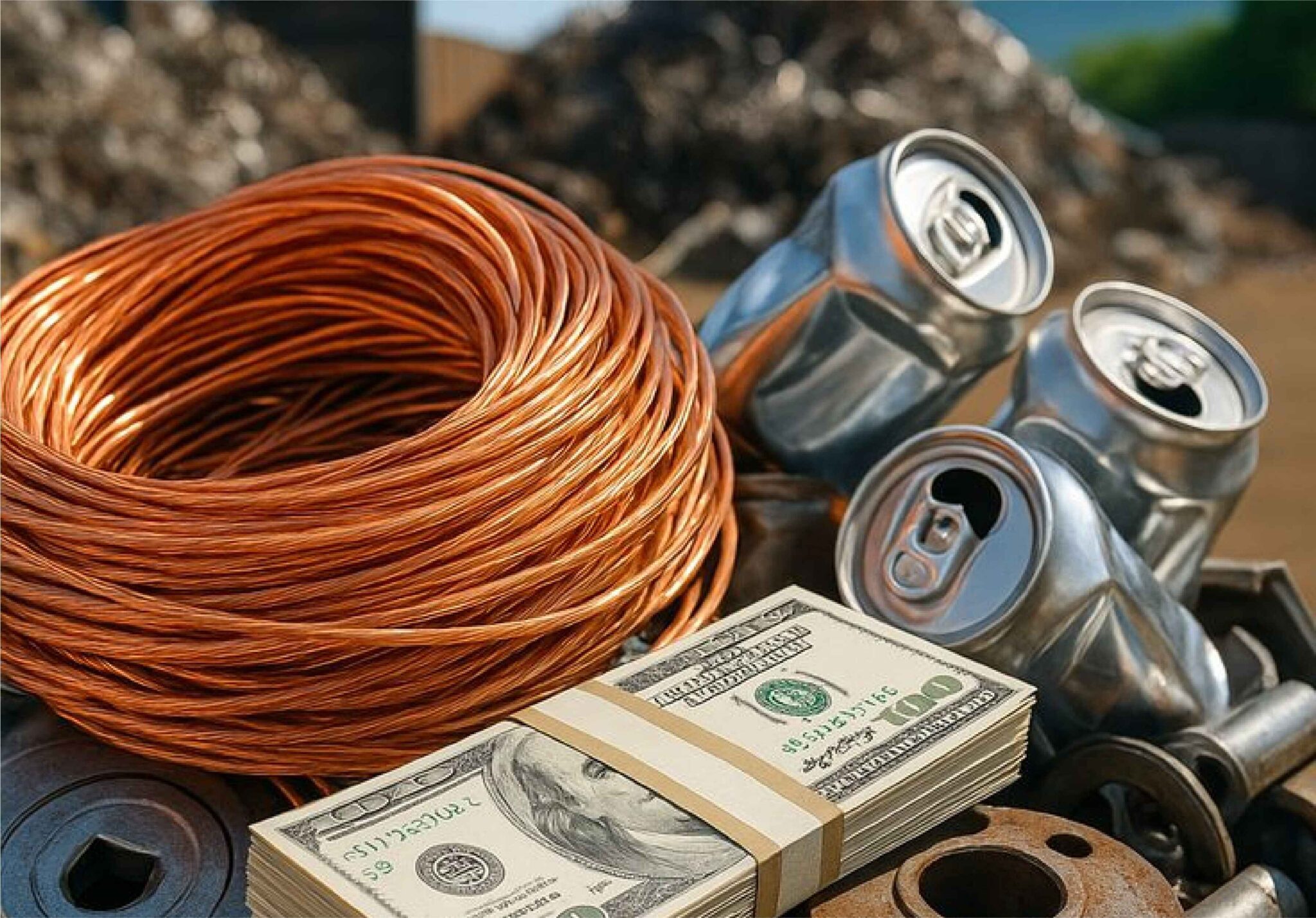
Old metal just lying around your home or workplace might be worth more than you think. Recyclable metals can be in your household without you realizing it, such as from damaged appliances and leftover construction materials, old pipes and electrical cables, and vehicle parts. But don’t put it in the garbage dump, you can sell it and get some extra cash.
The only tricky part is figuring out if you’re getting a fair deal. Scrap metal rates move regularly, and what you get is based on more than just weight. The metal type matters, how clean it is, and also what the market currently wants at that time.
If you’re planning to sell scrap in the UAE, here’s what you should know before you accept any offer.
What Is Scrap Metal?
Before you even look at the price tag, it helps to understand what scrap metal rates means.
Scrap metal is basically metal items that aren’t being used anymore, but can still be recycled and melted down to make new products. And since many metals can be recycled more than once, without really losing quality, they stay useful and valuable across a lot of industries.
Some common examples include:
- Copper wires
- Aluminium doors and windows
- Brass fittings
- Steel beams
- AC units
- Batteries
- Washing machines
- Fridges
- Industrial machinery
Understand Ferrous and NonFerrous Metals
One of the simplest ways to estimate your scrap’s value is by figuring out whether it is ferrous or non ferrous, i mean a lot of people do it this way.
Many people ask, what is a ferrous and non ferrous metal, and how do you tell the difference in practice?
The difference is simple.
Ferrous Metals
Ferrous metals contain iron.
They are often used in construction, heavy machinery , pipelines , and also in vehicles.
Examples include:
- Mild steel
- Cast iron
- Wrought iron
- Heavy steel
- Light iron
Since they’re pretty widely available, ferrous metals tends to have lower recycling prices, overall.
Non-Ferrous Metals
Non-ferrous metals don’t contain iron.
Also they’re more resistant to rust and corrosion , so they’re valuable for recycling as well.
Examples include:
- Copper
- Aluminium
- Brass
- Zinc
- Lead
- Stainless steel
Because these metals tend to be in higher demand, they sometimes get better scrap metal rates than ordinary steel, and it feels like the market agrees.
Which Scrap Metals Usually Have the Highest Value?
Not every metal sells for the same price , or at least that is how it seems.
Generally, the value usually gets stacked something like this:
Metal | Typical Value |
Copper | Very High |
Brass | High |
Aluminium | Moderate |
Stainless Steel | Moderate |
Steel | Lower but widely available |
Copper keeps showing up as one of the top paying common metals, mostly because it keeps getting used, in electrical wiring, manufacturing, and construction, pretty much everywhere.
Even though the scrap metal value of steel is lower, if you have large quantities, you can still pull a decent return out of it.
What Affects Scrap Metal Rates?
If you’ve ever compared quotes from different buyers, you’ve probably seen they don’t always line up.
That happens because a bunch of things influence scrap metal rates, day by day.
Metal Type
Copper and brass usually bring in more money than steel. This is mostly because they are less commonly found and simpler to recycle into higher value products, rather than basic output materials.
Quality
Clean metal without plastic, rubber, paint, or other materials usually receives better prices.
Quantity
Selling a larger amount often results in a more competitive offer than selling just a few kilograms.
Global Metal Prices
International markets like the London Metal Exchange , (LME) do shape metal prices all around the world, sort of indirectly but really in practice.
When global prices go up, local buyers usually tweak their purchase rhythms, or rather , their buying levels.
Local Demand
Construction projects, manufacturing activity, and recycling demand within the UAE also affect pricing.
Current Scrap Metal Rates Guide
Although prices change regularly, these ranges provide a general idea of today’s market.
Metal | Estimated UAE Rate |
Copper | AED 18–40/kg |
Brass | AED 12–16/kg |
Aluminium | AED 3.80–6/kg |
Stainless Steel | AED 3.20–5/kg |
Steel (HMS) | AED 1,100–1,500 per tonne |
These are estimated market ranges and may vary depending on the quality and quantity of your scrap.
If you’ve searched scrap metal prices steel per ton or scrap cost for steel, remember that steel is usually priced by the tonne rather than by the kilogram.
Simple Ways to Get Better Scrap Metal Rates
You don’t always need higher market prices to make more money. These simple steps can help increase the value of your scrap.
Separate Different Metals
Try not to mix copper, aluminium , brass with steel in the same pile. If you sort your materials first it makes the grading bit easier, and usually you end up with a better offer.
Remove Non-Metal Parts
Plastic, rubber, glass, and other attachments add extra processing work. Cleaner scrap is generally worth more.
Collect Larger Loads
Instead of selling small amounts again and again, maybe wait until you’ve gathered a more substantial quantity. Bulk loads tend to land you better, more competitive pricing.
Compare Buyers
A lot of folks search online for Sargent scrap metal rates, but the numbers shift depending on the buyer. So don’t just trust one quote, try comparing local buyers who have transparent pricing and consistent, accurate weighing.
Where Can You Find Valuable Scrap Around You?
You might be sitting on useful scrap already, without realizing it.
Keep an eye out for:
- Old electrical wiring
- Copper plumbing pipes
- Aluminium window frames
- Broken AC units
- Vehicle parts
- Stainless steel kitchen appliances
- Brass taps and fittings
- Construction offcuts
- Metal shelving
- Industrial equipment
Instead of just tossing these items away, recycling them can help recover a bit of their actual worth.
Why Choose Open Today Aluminum & Copper Trading?
Selling scrap should feel fast and simple, no run around
Open Today Aluminium & Copper Trading buys scrap from homeowners, contractors, workshops, warehouses, and businesses across Abu Dhabi, Dubai, Sharjah, Mussafah, and the nearby districts too.
Here’s What You Get
- Fair market pricing
- On-site inspection
- Instant cash payment
- Fast pickup service
- Friendly WhatsApp support
- Buying small and bulk quantities
If you are selling copper, aluminium, brass, steel, batteries, appliances, or just general e scrap, having an experienced Scrap Buyer UAE on your side really can make the whole thing smoother, more open, and easier to follow.
To Conclude
Getting the best scrap metal rates isn’t only about grabbing the first buyer you see. Knowing what kind of metal you have, separating different materials, looking up current market prices, and dealing with a dependable recycling company can all add up to you earning more.
And if you’ve got unused metal sitting around, taking space, now is a pretty good moment to turn it into cash while also helping valuable materials stay in circulation, through recycling.
Frequently Asked Questions (FAQs)
What’s the highest scrap metal rates right now?
Copper is usually the highest-paying common scrap metal, mainly because it has strong demand and a solid recycling value. Bare bright copper typically brings the best price.
What is the highest paying scrap metal rates?
Prices can swing with the market, but bare bright copper i s often one of the top earners, with rates that can hit about AED 40 per kg in the UAE depending on the situation, and on how good your supply really is.
How much is 1 kg of scrap metal?
That depends on the metal type. For instance, aluminium may go for AED 3.50–6.00 per kg, brass around AED 12–16/kg and copper roughly AED 18–40/kg.
Which country buys the most scrap metal?
China is considered one of the biggest buyers and consumers of scrap metal globally, driven by its manufacturing and industrial needs. Other major importers often include India, South Korea, and Turkey.