
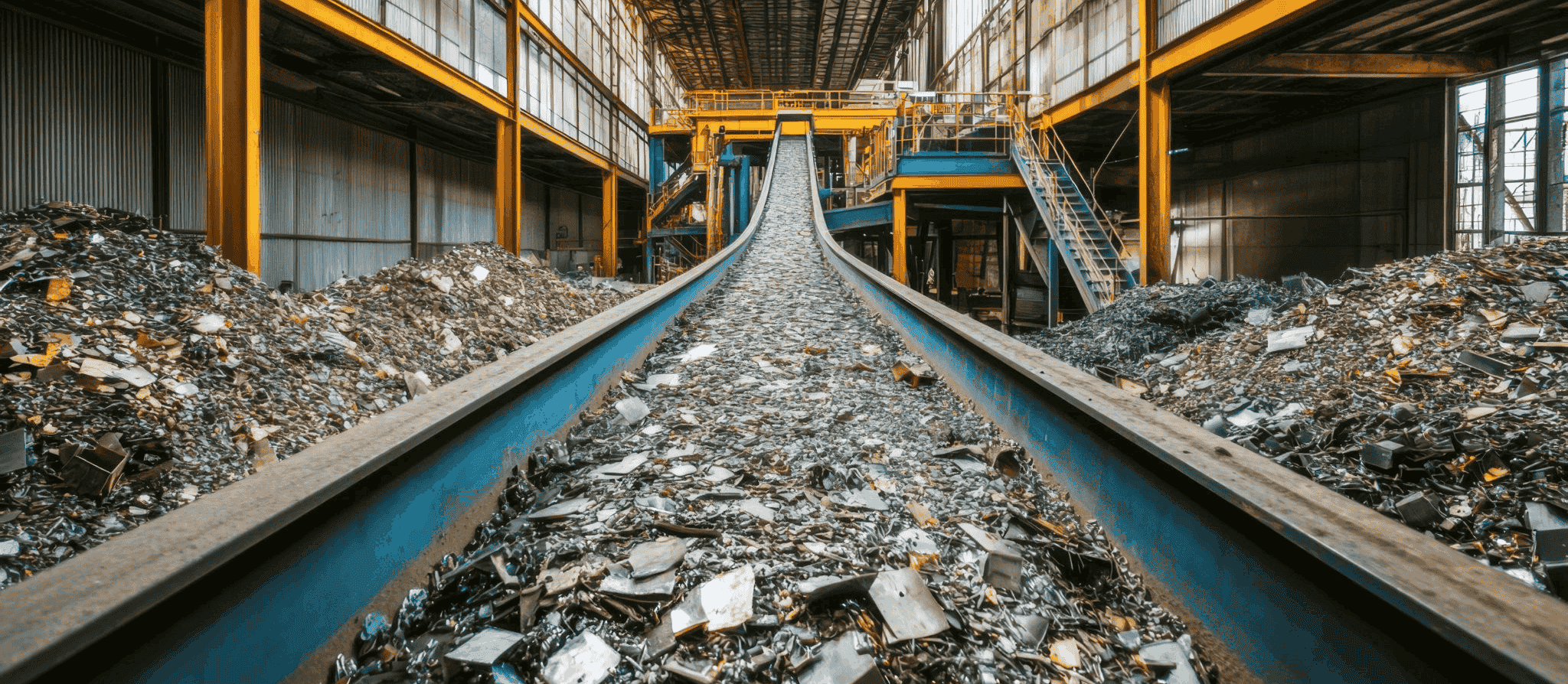
What Happens to Scrap Metal and How Recycling Creates Value
Ever wonder where what happens to scrap metal goes after it’s collected from your business or property? Many people believe it goes directly to a landfill – that’s not the case. In fact, the vast majority of the scrap metal is actually turned into new metal, which is then used to building, manufacturing, transport, and even daily life.
And it gets better, you can often get paid before the whole recycling process even starts. Old appliances, copper wires, aluminium frames, steel beams, and other small or large metal scraps all have value, especially when you sell them to a reliable scrap buyer.
So, let’s take a closer look at what happens to scrap metal after you sell your scrap, and also why recycling metal is such a smart idea.
What Happens to Scrap Metal?
Before knowing what happens to scrap metal is, it’s helpful to understand what is considered scrap and what is not, as the entire purpose of scrap is that it is unwanted metal, but not unusable. Metals that are considered to be “scrap” are any metal item that someone no longer wishes to keep, but can be used and recycled rather than thrown away.
Some usual examples include:
- Copper wires
- Aluminium doors and windows
- Brass fittings
- Steel beams
- Vehicle parts
- Air conditioners
- Washing machines
- Refrigerators
- Batteries
- Electrical cables
Instead of becoming waste, these materials are collected and processed so they can be used again.
Step 1: Collection
Everything starts with collection. Homeowners, contractors, factories, workshops, and businesses gather unwanted scrapped metal and sell it to a professional recycling company.
Open Today Aluminium & Copper Trading makes this simple by offering:
- On-site inspection
- Pickup service
- Instant cash payment
- Fast collection across Abu Dhabi, Dubai, Sharjah, Mussafah, and nearby areas
The team comes to you, you agree the price and they collect the material, without the need for you to transport the heavy material.
Step 2: Sorting the Metal
Once the scrap reaches the recycling facility, it doesn’t all go into one pile. The first step is sorting.
Metals are separated into different categories, including:
Ferrous Metals
These contain iron. Examples include:
- Steel
- Cast iron
- Heavy machinery
- Structural beams
Magnets are often used to identify ferrous metals.
Non-Ferrous Metals
These don’t contain iron and are generally worth more. Examples include:
- Copper
- Aluminium
- Brass
- Lead
- Zinc
Correct sorting of each material contributes to an improved recycling efficiency and clarifies for customers what they are going to buy.
Step 3: Cleaning and Preparing
The majority of scrap is not immediately ready for recycling.
It often contains:
- Plastic
- Rubber
- Wood
- Glass
- Paint
- Dirt
- Oil
These materials are pulled out before the whole recycling process actually begins. So for example, appliances can be taken apart, while copper cables might have their insulation taken off too. Doing this cleaning part helps the recycled metal turn out better, and it also boosts its value, in kind of a direct way.
Step 4: Shredding and Processing
Large pieces of metal can’t be melted efficiently. Rather, they are worked by heavy equipment that:
- Crushes
- Cuts
- Shreds
Smaller pieces of metal can be recycled more rapidly and the melting process uses less energy.
Step 5: Melting the Scrap
Once processed, the metal is sent to high-temperature furnaces. Each metal requires different melting temperatures.
For example:
- Aluminium melts much sooner than steel.
- Copper and brass require higher temperatures.
- Iron is melted in specialised industrial furnaces.
In this process impurities are eliminated to ensure that the recycled metal meets the standards for manufacturing.
Step 6: Turning Metal into New Products
The purified metal is then casted into moulds. These solid blocks, bars or sheets are then made available to manufacturers. Recycled metal is used to produce:
- Building materials
- Electrical wiring
- Vehicle parts
- Kitchen equipment
- Medical instruments
- Industrial machinery
- Household appliances
Lots of items people use every single day have recycled metal in them , even if they don’t really notice it.
Why Is Metal Recycling Important?
There are other benefits to recycling metals.
Less Waste
Recycling prevents the loss of valuable materials to landfill.
Saves Natural Resources
Recycling of metal means that you are not required to mine new raw materials.
Lower Energy Consumption
It takes a lot less energy to produce metal from recycled materials than to produce metal from ore.
Supports Manufacturing
Recycled metals are more cost effective and have the same quality parameters as new materials, thus factories purchase recycled metals.
How Is Your Scrap Valued?
Many people ask why two loads of scrap receive different prices. Several factors affect the final payment.
Type of Metal
Copper, brass, and aluminium usually sell for more than steel or iron.
Weight
The heavier load has a higher value naturally.
Cleanliness
Paying off plastic, wood, rubber and other non-metal materials is likely to bring more payout.
Current Market Prices
The prices fluctuate frequently with respect to the demand and supply of metals in the international market.
Where Can I Get Scrap Metal?
If you’re wondering where can I get scrap metal, you may already have plenty nearby.
Some common sources include:
- Home renovations
- Construction projects
- Old appliances
- Vehicle repairs
- Plumbing replacements
- Electrical upgrades
- Factory offcuts
- Warehouse clear-outs
Many businesses generate recyclable metal every day without realizing its value.
What Is Metal Scraps Used For?
People often ask, what is metal scraps actually used for after recycling. The answer is simple. Once recycled, the metal becomes raw material for new products instead of ending up as waste.
Everything from aluminium cans and copper cables to structural steel can be recycled and used again.
Why Choose Open Today Aluminium & Copper Trading?
Selling scrap should be quick, transparent, and convenient.
Open Today Aluminium & Copper Trading purchases a wide range of recyclable materials from homeowners, workshops, warehouses, factories, and commercial businesses across the UAE.
They Buy
- Copper
- Aluminium
- Brass
- Iron
- Steel
- Batteries
- AC units
- Fridges
- Washing machines
- Electrical cables
- E-scrap
If you’re looking for an experienced scrap metal dealer, they provide:
- Fair market prices
- On-site inspection
- Instant cash payment
- Fast pickup service
- Convenient WhatsApp booking
Whether you’re selling a few scrap metal pieces or clearing a large industrial site, working with a trusted Scrap Buyer UAE makes the process simple.
In Summary
When you look closer at what happens to scrap metal , you start to see recycling is way more than just getting rid of things that are no longer needed. Each bit of recyclable metal tends to move through collection, then sorting and cleaning, later processing, melting, and finally manufacturing so it can turn into something useful again.
Meanwhile, you’ll be able to make cash for materials that could be thrown away. It is recycling its appliances, construction waste and every day household scrap and metal from day to day, helping the companies that rely on recycled products, reducing waste, preserving natural resources.
Frequently Asked Questions (FAQs)
What does scrap metal turn into?
Scrap metal is re-moulded into other goods such as vehicle parts, appliances, building materials, electrical wiring, machinery and aluminium cans.
How many aluminum cans will it take to make $100?
Well, precisely how many would depend on the price for aluminium cans in the scrapyard. At normal recycling rates and prices, you can expect to get something like 1,500 to 2,000 cans of aluminum for $100 – but the market changes so it can be more or less.
Is scrap metal a good way to make money?
Yes, it can be. Selling what happens to scrap metal is often a solid extra income option, especially if you have more of the “good” metals, like copper, brass, or aluminium. Those tend to pay better, compared to some other materials.
What happens to the metal scrap collected?
It generally gets sorted first, then cleaned , shredded, melted, and refined before it becomes new raw materials, these can then be used to manufacture a bunch of different metal products.